
The First Steam Locomotive Pulled 450 Passengers at 15 Miles Per Hour
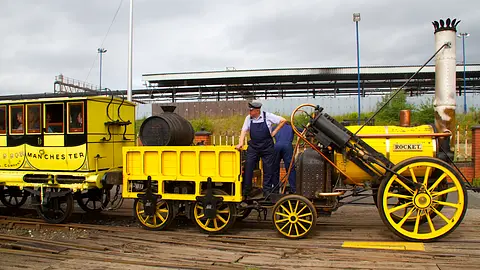
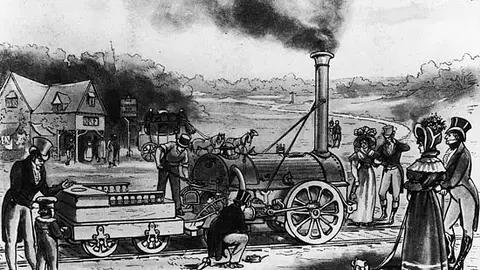
On September 27, 1825, George Stephenson's Locomotion became the first steam locomotive to carry passengers on a public railway. The train pulled 450 people along the Stockton and Darlington Railway in England at a speed of 15 miles per hour.
More detail
The Stockton and Darlington Railway marked the birth of public railroad transportation when George Stephenson's locomotive, originally called Active but later renamed Locomotion, made its historic journey. The railway was built to transport coal from inland mines to the coast, but Stephenson convinced the promoters that steam power could revolutionize transportation. On that September day in 1825, the locomotive pulled a train of wagons carrying 450 passengers from Darlington to Stockton. The journey demonstrated that steam locomotives could reliably transport both freight and people, setting the stage for the railway boom that would transform the 19th century. The line was originally intended to use horse traction, but Stephenson proved that a steam engine could pull 50 times the load that horses could draw on iron rails.




Comments 0
No comments yet. Be the first!
Sign in to leave a comment.