
Woolly Mammoths Were Still Alive When the Pyramids Were Being Built
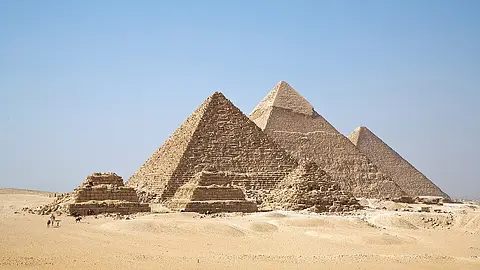
Contrary to the popular belief that woolly mammoths went extinct around 10,000 years ago at the end of the last Ice Age, a population survived on Wrangel Island in the Arctic until about 3,700 years ago — well after the pyramids of Giza were completed.
More detail
Most people picture woolly mammoths as prehistoric creatures that vanished long before recorded history, but the timeline is far more surprising. While the majority of mammoths did disappear roughly 10,000 years ago as global temperatures rose, a small isolated population persisted on Wrangel Island — a remote Arctic landmass off the coast of Siberia — until approximately 1700 BC. That date places living mammoths in the same era as the flourishing Egyptian New Kingdom. The Great Pyramid of Giza was completed around 2560 BC, meaning mammoths roamed the Arctic for nearly a thousand years after Egyptians had finished their most iconic monument. Stonehenge, completed around 1500 BC, was also built while these mammoths were still alive. The island population likely survived in isolation because rising seas cut Wrangel Island off from the mainland, protecting the mammoths from the human hunters who had contributed to extinction elsewhere. Their eventual disappearance from Wrangel Island is thought to have been caused by a combination of inbreeding, disease, and possibly the arrival of humans on the island.




Comments 0
No comments yet. Be the first!
Sign in to leave a comment.