
Lightning is five times hotter than the surface of the sun
A lightning bolt can heat the air around it to 50,000°F—five times hotter than the sun's visible surface.
More detail
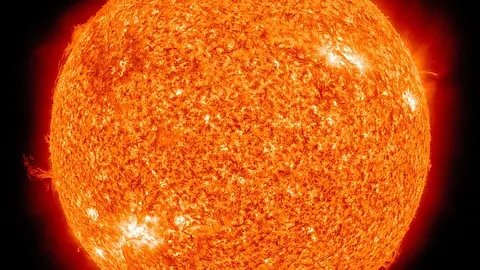
During a thunderstorm, nature produces one of the most extreme temperatures found on Earth. When lightning strikes, it does not just deliver a massive electrical charge—it transforms the surrounding air into plasma reaching temperatures of approximately 50,000 degrees Fahrenheit. To put this in perspective, the sun's photosphere—the visible surface we see from Earth—measures about 10,000 degrees Fahrenheit. This means a lightning bolt is roughly five times hotter than the surface of the very star that sustains our planet. The extreme heat occurs because air is a poor conductor of electricity. As the lightning bolt forces its way through the atmosphere, the electrical resistance causes the air molecules to heat up explosively. This rapid heating happens in mere milliseconds, creating a sudden expansion of air that produces the shock waves we hear as thunder. The mechanism resembles forcing too much electricity through a narrow wire—resistance generates intense heat in a flash. Despite this extreme temperature, the brief duration of a lightning strike—just a few milliseconds—prevents the heat from transferring fully to the environment. However, it is still powerful enough to vaporize water instantly, explode trees, melt metal, and start fires. The National Weather Service confirms these measurements, noting that the extreme heat is what causes the distinctive crack of thunder as the superheated air expands faster than the speed of sound.








Comments 0
No comments yet. Be the first!
Sign in to leave a comment.