
Cats cannot taste sweetness
Unlike humans and many other mammals, domestic cats lack functional taste receptors for sweetness. This reflects their obligate carnivore diet requiring no sugar detection.
More detail
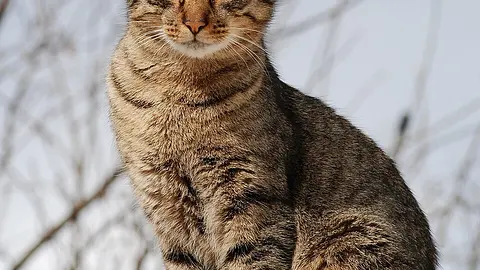
Cats possess unique genetic adaptation: they lack functional taste receptors for sweetness. While humans have the Tas1r2 gene encoding sweet taste receptors, cats have a non-functional version, resulting in complete inability to taste or desire sweets. This reflects feline evolutionary history: cats are obligate carnivores evolved on all-meat diets. Meat contains virtually no sugars, so sweetness-tasting ability provided no survival advantage. Lacking sweetness perception may have prevented ancestral cats from being attracted to sugar, keeping them nutritionally focused on meat. This genetic adaptation has profound nutrition implications: cats show no sweet preference, and sugar provides no reward. While cats cannot taste sweetness, they retain good taste receptors for other flavors including umami, with highly sensitive bitter receptors helping avoid toxins.

Comments 0
No comments yet. Be the first!
Sign in to leave a comment.