
Antarctica is the largest desert on Earth
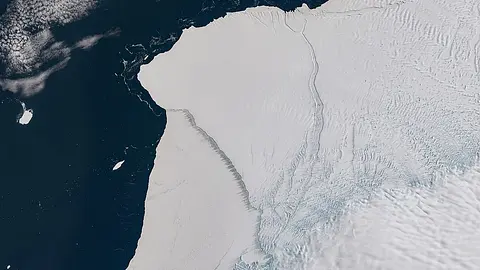
Antarctica, covering 5.5 million square miles, is classified as a desert due to receiving less than 2 inches precipitation annually. It is the largest desert on Earth.
More detail
Deserts are defined by precipitation rather than temperature, classified as regions receiving less than 10 inches of precipitation annually. Antarctica is unequivocally Earth's largest desert, covering 5.5 million square miles with average annual precipitation less than 2 inches. The paradoxical combination of extreme cold, vast ice sheets, and desert classification arises from polar air mass physics: extremely cold air cannot hold moisture, so precipitation falls as sparse snow accumulated over millennia. Antarctica's interior receives even less precipitation than the coast, making some regions among the driest places on Earth despite miles-deep ice sheets. This ice represents accumulated precipitation over hundreds of thousands of years. Antarctica also meets other desert criteria: sparse plant and animal life, extreme seasonal temperature variation, and harsh conditions limiting biological diversity. Recognizing Antarctica as a desert reveals important truths about its ecology and climate dynamics.



Comments 0
No comments yet. Be the first!
Sign in to leave a comment.