
Maglev Trains Float Above the Track Using Magnetic Levitation
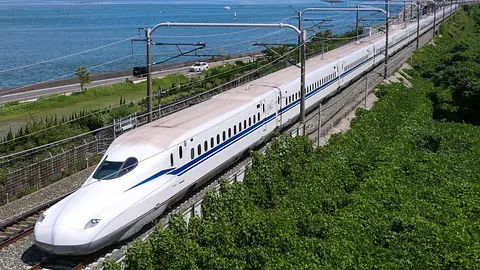
Maglev trains use powerful magnets to levitate above the guideway, eliminating wheel friction entirely. These trains can reach speeds exceeding 310 miles per hour.
More detail
Maglev, short for magnetic levitation, represents the cutting edge of railway technology. These trains float above their guideways using electromagnetic forces, completely eliminating the friction between wheels and rails that limits conventional trains. Two types of maglev systems exist: Electromagnetic Suspension uses attractive forces between magnets on the train and guideway, while Electrodynamic Suspension uses repulsive forces from superconducting magnets. Because there is no physical contact, maglev trains can achieve speeds exceeding 500 kilometers per hour, or about 310 miles per hour. This is twice as fast as conventional commuter trains and comparable to the TGV in France. The concept was first developed in the early 1900s by American inventor Robert Goddard and French-American engineer Emile Bachelet. Commercial maglev service began in 1984, and today several systems operate around the world, with proposals for extensive networks in the future.





Comments 0
No comments yet. Be the first!
Sign in to leave a comment.